
Previously, concrete was thought of primarily as a flat, functional material. Nowadays, it has become a creative landscape for architectural visual expression due to new decorative concrete techniques, architectural concrete finishes, and modern design variations. Concrete was once considered dull and purely structural. But it has become a daring, imaginative, and lasting surface art vehicle. Those adaptations were propelled by the emergence of concrete form liners or flexible molds that can also impart texture and artistry into the surface of concrete slabs.
Wherever you are framing a commercial façade or a residential patio, form liners can add so much beauty with impactful results that last for years, without creating excessive impact on your budget or timeline.
We’ll discuss how these exciting tools are transforming surfaces all across America and how you can incorporate this design-forward approach into your next project.
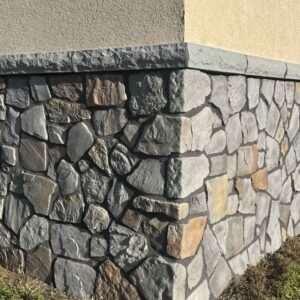
Concrete’s Creative Side
From backyards to bridges, concrete form liner projects are proving that concrete is no longer just the base, it’s part of the design.
- Patios and garden walls: Form liners can mimic wood grain, natural stone, or slate. With the right mold, even a small backyard patio can look custom-built.
- Commercial facades: Businesses use custom concrete patterns to add logos, branding, or visual textures to their building exteriors.
- Highway sound barriers: These walls were previously dull gray; now they serve as community art with architectural concrete finishes applied through large-scale liners.
- Furniture and planters: Smaller molds add subtle detailing to benches, tabletops, or elements in urban landscaping.
- Community centers and schools: These spaces are using creative concrete design to give a sense of place and identity.
Each of these examples shows how concrete form liners are helping turn functional infrastructure into standout features.
Choosing the Right Form Liner for the Job
To get to the desired outcome, it is necessary to choose the right liner for your project. Your decision should embody both the aesthetic vision and performance goals.
- Pattern Type: Select from textures, such as brick, stone, wood, or other more abstract finishes.
- Material: Flexible plastisol is used for projects where reuse is intended.
- Project Size: Large jobs may require modular or custom concrete form liners in order to maintain the pattern continuity.
- Detail Depth: Higher-relief and positive texture patterns work well when applied commercially and are expected to wear in properly over time.
Whether it is a retaining wall or a feature column, the proper liner will not only enhance the final result, but it will capture your vision.
Tips for Flawless Form Liner Installation
Even the best design falls short without proper execution. Follow these form liner installation tips for a seamless outcome:
- Ensure proper placement: Confirm that the liners are secured or anchored so that they do not shift.
- Use a release agent: This will help the liner release cleanly from the set slab of concrete.
Our molds are made of plastisol which requires NO release agent. This saves the buyer’s money, time, and clean up and is one of the benefits to using our molds instead of polyurethane, plastic, or silicone molds.
- Vibrate correctly: Adequate vibration allows for the concrete to flow into the liner and capture small details of the mold.
- Do not strip too soon: Allow enough time for the concrete to set in the liner.
- Apply color and/or sealers: After the slab has cured, apply stains or sealers, if desired, to accentuate contrast and preserve texture.
By following these recommendations, common problems may be avoided, and the finished surface can look crisp and professional.
Why Textured Concrete Surfaces Are Gaining Popularity
Textured concrete surfaces are gaining momentum in both residential and commercial projects and for good reason.
- Durability: The texture is part of the concrete, not an added layer that can peel or chip.
- Cost-effectiveness: You get the look of stone or wood without the maintenance or material cost.
- Community appeal: Public spaces, parks, sidewalks, and plazas gain identity and curb appeal from textured designs.
Whether the goal is visual impact, sustainability, or long-term performance, form liners check every box.
Conclusion
When you’re searching for concrete form liner ideas that balance creativity and practicality, you’ll find the options are only limited by your imagination. Stone Master Molds provides molds to accommodate all types of project scales, from simple imprints to more complex designs derived from nature, architecture, or geometric art.
Looking for something uniquely customized? Our custom concrete form liners are created to realize your unique dreams. Whether you are developing a city walkway or a sculpted planter box, we can help you delineate slabs with style. With Stone Master Molds, your designs don’t just take shape, they leave a lasting impression through inspired form and flawless detail.
With the right tools and a little imagination, your concrete project can go from flat to fabulous while saving time, reducing cost, and creating a lasting impact.
Elevate your architectural vision with Stone Master Molds, where craftsmanship defines every detail.